About the conference
A specialised industry and policy forum for decentralised MSW management in bulk-generating establishments.
Enabling Compliant, Circular and Scalable Waste Management at Source
India’s cities are generating increasing volumes of municipal solid waste, placing considerable pressure on collection systems, transport infrastructure, processing facilities and landfills. Bulk Waste Generators (BWGs)—including housing societies, hotels, hospitals, educational campuses, commercial complexes, malls, markets, institutions and industrial establishments—have a vital role in reducing this burden through segregation at source, decentralised processing and responsible channelisation of recoverable materials.
The International Conference on “Decentralised MSW Treatment for BWGs: Technology, Policy and Partnerships”, scheduled for 5 December 2026 at Meluha The Fern, Powai, Mumbai, will bring together the entire ecosystem required to make decentralised waste management successful.
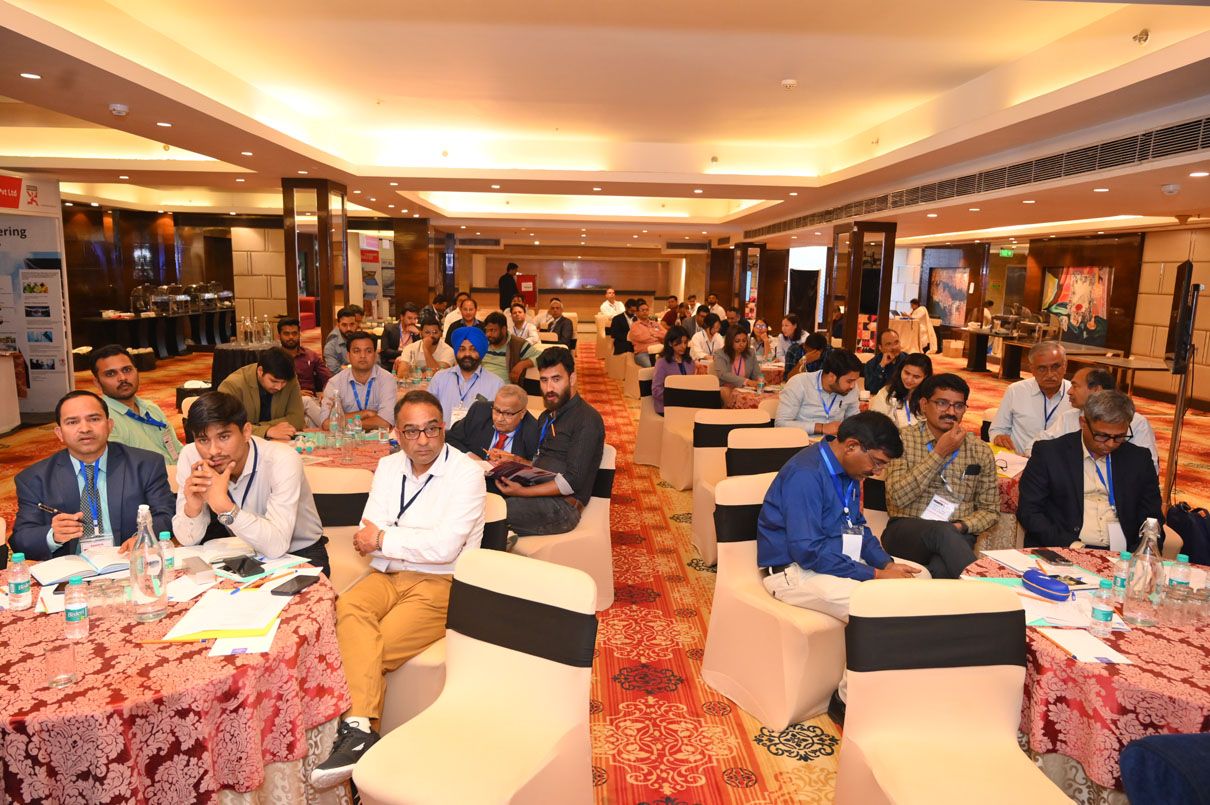
From obligation to implementation
Decentralised waste management is no longer only an environmental initiative; it is an operational, regulatory and reputational priority. Successful implementation requires correct waste assessment, source segregation, suitable technology, trained manpower, reliable operations, transparent data, safe handling of rejects and assured linkages with authorised recyclers.
Introduction and summary
Municipal solid waste management is one of the most urgent urban challenges facing India. Centralised collection and disposal systems alone cannot sustainably manage growing volumes of wet waste, dry waste, sanitary waste, domestic hazardous waste and other municipal waste streams.
Decentralised treatment enables waste to be segregated, processed and recovered closer to the point of generation. For BWGs, it can reduce transportation requirements, prevent mixed-waste disposal, improve material recovery, minimise landfill dependence and support measurable environmental performance.
The conference will create a common platform for government agencies, municipal bodies, BWGs, technology manufacturers, operators, recyclers, consultants, researchers and financiers to identify practical solutions.
Three interconnected pillars
Technology
Selecting fit-for-purpose systems for segregation, organic waste treatment, material recovery, recycling, monitoring and safe handling of residual waste.
Policy
Understanding the regulatory responsibilities of BWGs, implementation expectations, reporting requirements and the role of urban local bodies.
Partnerships
Building effective collaborations among BWGs, municipal authorities, technology providers, operators, recyclers, PROs, investors and communities.
A specialised industry and policy forum
Dedicated to accelerating decentralised municipal solid waste management in bulk-generating establishments—covering the complete waste-management chain from audit and segregation to recycling, digital monitoring and regulatory compliance.
- Clarify the responsibilities and compliance expectations applicable to Bulk Waste Generators.
- Promote segregation at source and decentralised processing as essential components of sustainable urban waste management.
- Help BWGs select appropriate, reliable and space-efficient treatment technologies.
- Present successful operating models for housing societies, hotels, hospitals, campuses, malls, markets and commercial establishments.
- Strengthen cooperation among urban local bodies, BWGs, technology providers, operators, recyclers and civil-society organisations.
- Explore financially sustainable models, including service contracts, leasing, pay-per-use, shared facilities and PPPs.
- Improve monitoring, documentation, traceability and data-driven compliance.
- Encourage circular use of compost, recyclables and recovered resources.
- Identify solutions to operational challenges such as odour, leachate, pests, contamination, manpower and downtime.
- Create business, investment, research and partnership opportunities across the decentralised waste-management ecosystem.
Connecting policy, industry and expertise
Worldwide Conferences is a professional conference and knowledge-platform organisation committed to connecting policymakers, industry leaders, technical experts, researchers, solution providers and investors around issues of national and international importance.
Through carefully curated agendas, expert speakers, panel discussions, case studies, exhibitions and structured networking, Worldwide Conferences aims to convert knowledge into action and conversations into collaboration. Its programmes cover infrastructure, water, energy, climate resilience, environmental sustainability, public policy, technology and urban development.
Our purpose
- Create credible platforms for policy–industry dialogue
- Encourage adoption of appropriate technologies and best practices
- Connect decision-makers with solution providers and subject experts
- Promote knowledge exchange, collaboration and investment
- Support sustainable and inclusive development